Getting a Sikh recognition piece wrong is loud.
An over-bright optical crystal on a 70-year-old Bhai Ji’s plaque. English-only engraving on a Granthi who reads Gurmukhi. The sangat notices in the first ten seconds, and the committee that approved it loses face for a year.
The committee meeting just wrapped. Your retiring Jathedar’s farewell is six weeks out. Nobody round the table has done this before. So here’s the format, the bilingual layout, and the budget your committee should approve next Sunday. One note on pricing up front: pewter pieces have no fixed catalogue price, so those I quote on spec; the wood, acrylic and standard crystal pieces sit within the catalogue.
Sikh Sangat in Malaysia: Where the Plaques Are Going
Malaysia’s Sikh community is small (around 100,000) but tightly organised around 130-plus gurudwaras coordinated through the Malaysian Gurdwaras Council (MGC). Recognition orders we ship most weeks fall into four geographic clusters:
| Region | Major gurudwaras | Typical recognition spend |
|---|---|---|
| Klang Valley | Wadda Gurdwara Sahib KL, Gurdwara Sahib PJ, Klang, Subang, Kepong | RM4,500-RM18,000 per annual function |
| Penang & northern | George Town, Bayan Lepas, Sungai Petani, Alor Setar | RM3,000-RM9,500 |
| Southern peninsula | JB, Melaka, Seremban, Muar | RM2,500-RM7,500 |
| Smaller-town & East Malaysia | Ipoh, Taiping, Bidor, Sitiawan, Kuching, Kota Kinabalu | RM1,800-RM5,500 |
Sikh tradition centres seva (selfless service), sangat (community), and equality before Akal Purakh. Recognition culture is deliberately understated.
A 30-year Jathedar plaque should feel weighty in the hand, not loud on the wall. Every convention below serves one rule: honour the seva, never the symbol.
Prabandhak Committee Long-Service Tiers
Gurudwara committees (often called Prabandhak Committee) typically include 9-15 members. Members are elected for 2-3 year terms.
Senior positions include:
- Jathedar (president)
- Sevadar (general secretary)
- Khazanchi (treasurer)
- Portfolio leads (langar, parchaar/programme, building, education)
Standard tier structure
| Years of service | Suggested format | Pricing |
|---|---|---|
| 6-9 years (2-3 terms) | Wooden plaque with brass nameplate | RM 200-300 |
| 9-12 years | Premium wooden plaque or pewter mid-tier | Wood RM 280-376; pewter quoted on spec |
| 12-18 years | Pewter mid-tier with rosewood base | Quoted on spec |
| 18+ years | Pewter premium or optical crystal | Crystal RM 400-450; pewter quoted on spec |
Jathedar (President) retirement
The Jathedar typically receives the highest-tier piece on retirement, especially after multiple terms of service. Common formats:
| Format | Pricing (SST-incl.) | Best for |
|---|---|---|
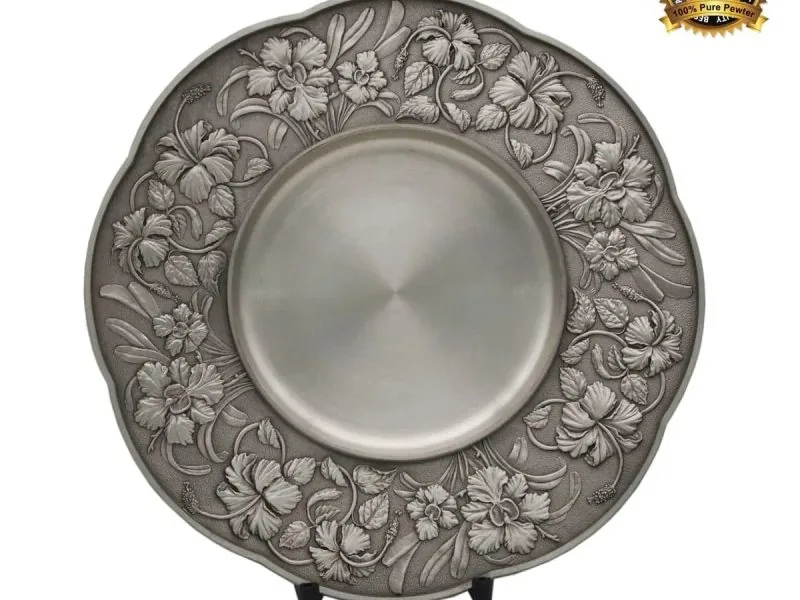
| Pewter mid-tier with rosewood base | Quoted on spec | Most common Klang Valley choice |
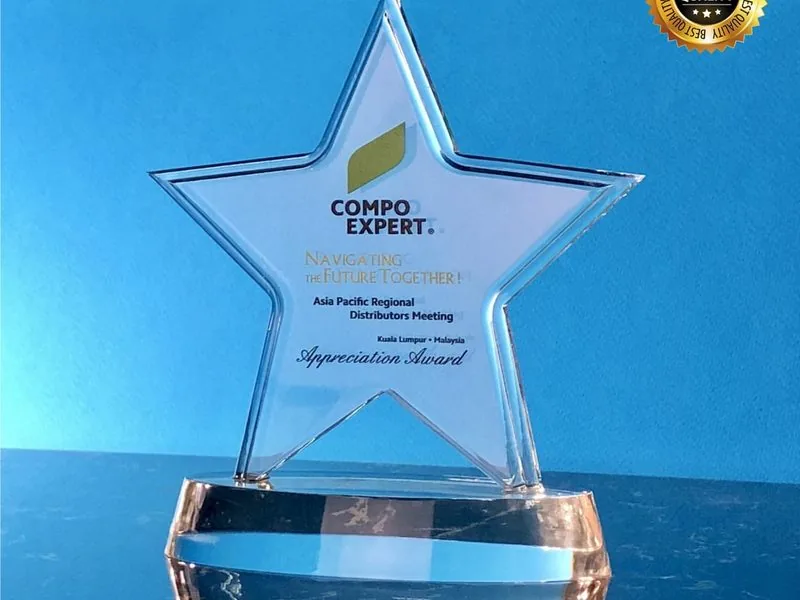
| Optical crystal premium | RM 400-450; larger quoted on spec | Contemporary committees, younger Jathedars |
| Solid rosewood + substantial brass plate | RM 300-376; larger quoted on spec | Traditional gurudwaras |
The Jathedar plaque almost always joins a row of past-Jathedar plaques on the gurudwara office wall. Some rows go back to the 1950s.
Always ask the secretary for a photo of the existing wall before approving the format. Match the plate dimension within 10mm. Use the same brass tone (warm yellow vs. antique).
One committee had us re-cut a plate three times to land within 5mm of a 1971 piece. That is the level of continuity sangat memory expects.
Sevadar (General Secretary) and Khazanchi (Treasurer)
Working positions in the committee. The Sevadar manages minutes, correspondence, and inter-gurudwara coordination. The Khazanchi handles accounts: Sunday parshad collections, donations, and annual audited accounts.
Important enough to feel honoured, modest enough to fit Sikh sensibility. Premium wooden with substantial brass (RM 350-376), or pewter mid-tier quoted on spec.
Ordinary committee members
8-12 ordinary committee members handle specific portfolios. Tier RM 200-320 is appropriate. A wooden plaque with an engraved brass plate is the standard format.
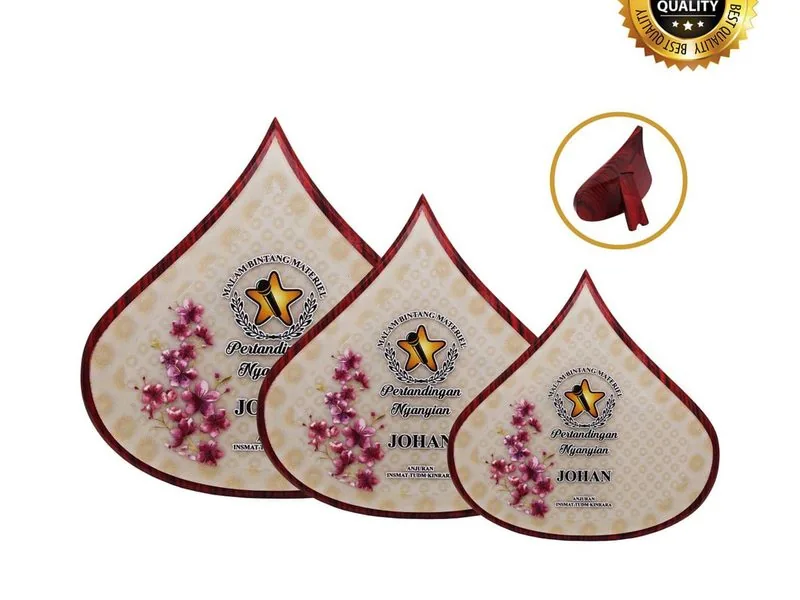
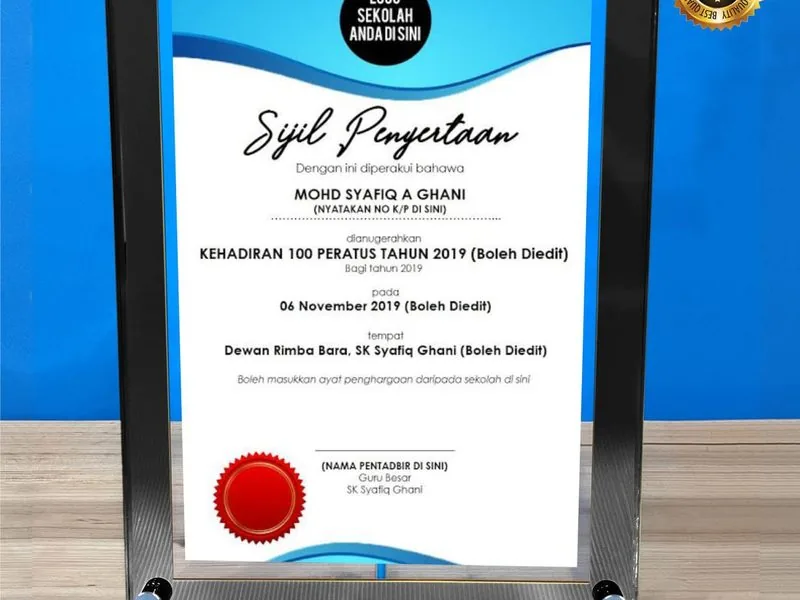
Browse the pewter range and wooden plaques for these formats, or the broader appreciation plaques guide for committee-tier templates.
Granthi (Priest) Retirement Pieces
The Granthi is the gurudwara priest. Duties include:
- Performing daily ardaas
- Reading from Sri Guru Granth Sahib Ji during diwan
- Leading prayer
- Conducting religious ceremonies
A Granthi who has served a particular gurudwara for 20-30 years is a significant figure in the community’s recent history.
Format conventions
| Career stage | Recommended format | Pricing (SST-incl.) |
|---|---|---|
| Head Granthi retirement (20+ years) | Pewter premium + rosewood base | Quoted on spec |
| Head Granthi retirement (alternative) | Optical crystal premium | RM 400-450; larger quoted on spec |
| Head Granthi retirement (most traditional) | Solid rosewood + engraved brass | RM 300-376; larger quoted on spec |
| Mid-career Granthi (10-20 years) | Pewter mid-tier | Quoted on spec |
| Mid-career Granthi (10-20 years) | Premium wooden plaque | RM 350-376 |
| Visiting/relief Granthi (2-5 years) | Wooden plaque + brass plate | RM 220-340 |
Punjabi (Gurmukhi) engraving, strongly recommended
For Granthi retirement pieces, Gurmukhi script engraving is conventionally expected. Reasons:
- Liturgical context, the Granthi works primarily in Gurmukhi (Sri Guru Granth Sahib Ji is in Gurmukhi script)
- Generation, retiring Granthis are typically 60+; many have stronger Gurmukhi literacy than English
- Family heirloom, the plaque often moves to the Granthi’s home; bilingual format honours both gurudwara and family contexts
- Authenticity, English-only on a senior Granthi’s plaque can feel administratively cold
Sample bilingual layout
[Gurmukhi: opening line, Ik Onkar or appropriate respectful phrase]

WITH HEARTFELT GRATITUDE
FOR DEDICATED SEVA

Bhai [Name] Singh / Kaur Ji
Granthi
[Gurudwara Name]

[Years of service in Gurmukhi + English]
[Year of joining] – [Year of retirement]

Presented by
The Prabandhak Committee
[Gurudwara Name]
[Date]

[Gurmukhi: closing benediction]
Our partner workshops have produced Gurmukhi-engraved pieces for Klang Valley gurudwaras across many committee cycles.
We always run a digital proof through the gurudwara secretary or a sangat member with Gurmukhi literacy before any laser fires. Gurmukhi orthography is unforgiving on compound consonants (ਖ੍ਯ, ਸ੍ਰ), nasalisation marks (tippi vs bindi), and vowel signs like sihari and bihari.
A misplaced bindi on Bhai Ji’s name reads as a different word entirely. We’ve seen pieces from other suppliers re-cut twice because the proofreader was English-literate only. Never assume.
Langar Volunteer Recognition
Langar is the community kitchen serving free meals to all visitors. It is a foundational Sikh institution.
Major gurudwaras serve hundreds of meals every Sunday and on special days. Volunteers (sevadars) cook, serve, clean, and maintain stocks.
For long-serving langar volunteers, recognition is typically modest in budget but emotionally significant.
Format conventions
- Acrylic plaques RM 150-250, for general langar volunteer recognition (5-10 years)
- Wooden plaques RM 250-376, for langar coordinators and lead volunteers (10-15 years)
- Pewter mid-tier (quoted on spec), for very long-serving langar leaders (20+ years), particularly women who have organised the kitchen for decades
Special-event volunteer recognition
Major gurudwara events often involve dozens of additional volunteers:
- Vaisakhi celebration
- Guru Nanak Dev Ji Gurpurab
- Guru Gobind Singh Ji Gurpurab
- Gurudwara anniversary
Small token-gift pieces (RM 100-180 acrylic) work well for thanking event-specific volunteers.
Sample inscription pattern
WITH GRATITUDE FOR DEVOTED SEVA

Bibi / Sardar [Name] [Last Name]
Langar Sevadar
[Gurudwara Name]

In recognition of [X] years of dedicated service
[Year of joining] – [Year of recognition]

"Pavan Guru Pani Pita Mata Dharat Mahat..."
— Guru Nanak Dev Ji

Presented by
The Prabandhak Committee
[Gurudwara Name]
[Date]
The Scripture line is conventional but optional; some committees prefer to keep langar volunteer plaques simple, with just the recognition text and gurudwara seal.
Donor Wall Plaques (Khanda / Ik Onkar Motifs)
Gurudwaras periodically run major fundraising campaigns:
- Building expansion
- New community hall construction
- Langar facility upgrade
- Sound system replacement
- Education centre
Donor recognition is structured by contribution tier.
Typical Malaysian tier structure
For mid-to-large urban gurudwara campaigns:
| Donation tier | Recognition format | Plaque pricing |
|---|---|---|
| RM 5,000 – RM 9,999 | Name on shared donor board | Quoted per name |
| RM 10,000 – RM 24,999 | Name on premium shared board | Quoted per name |
| RM 25,000 – RM 49,999 | Individual acrylic plaque | RM 180-280 |
| RM 50,000 – RM 99,999 | Individual wooden + brass plaque | RM 280-376 |
| RM 100,000+ | Pewter premium | Quoted on spec |
Tier structure varies by gurudwara size and campaign scale; small-town gurudwaras may scale this down.
Donor wall formats
For shared donor walls, all quoted on spec since the size and name count drive the price:
- Acrylic 12mm with engraved text, a substantial board (24x36 inches) accommodating 30-60 names
- Solid wood with individual brass nameplates, more traditional
- Pewter cast donor wall, for premium gurudwaras
Subtle Khanda / Ik Onkar motif handling
Sikh iconography includes powerful symbols:
- Khanda, the Sikh emblem with central double-edged sword
- Ik Onkar, “One God”
- Nishan Sahib, the orange flag
For recognition pieces, motif handling should be subtle:
- Small Khanda at top centre, works on most plaques as a quiet identifier
- Ik Onkar symbol, appropriate at top centre or as a corner motif; carries strong religious meaning so should be small and respectful in scale
- Nishan Sahib silhouette, works as a background watermark or corner element; keep it understated
- Avoid large or bold iconography, recognition pieces are not the place for prominent religious symbolism; the plaque honours seva, not the symbol itself
Punjabi Engraving + Bilingual Layouts
Gurmukhi script engraves well on brass plates, on pewter (cast and engraved), and via laser on acrylic. A few practical notes:
Typeface selection
For plaques 9x12 inches and larger, traditional Gurmukhi typefaces (similar to handset metal type) feel appropriate and engrave clearly. For smaller pieces, modern sans-serif Gurmukhi (Saab, Asees, or modern Unicode Gurmukhi) reads more reliably.
Bilingual layout patterns
Punjabi-primary (for Granthi retirement, senior Jathedar pieces):
- Top: Gurmukhi opening
- Centre: Gurmukhi recognition text larger; English subtitle smaller
- Bottom: Gurmukhi benediction line, English presenter info
English-primary (for younger committee members, contemporary congregations):
- Top: small Gurmukhi opening line
- Centre: English text larger; Gurmukhi subtitle smaller
- Bottom: English presenter info, optional Gurmukhi closing
Trilingual (rare but used for major civic-context pieces):
- English + Gurmukhi + Bahasa Malaysia
- Reserved for occasions where state officials are present or for pieces that will display publicly
Proofing process
We always run a digital proof through the gurudwara secretary or designated sangat representative before production.
Gurmukhi orthography mistakes (incorrect siari, bihari, or compound consonants) are easy to make if the proofreader doesn’t read Gurmukhi natively. Allow an extra 3-5 days in the project timeline for proofing, especially for major Granthi or Jathedar pieces.
Budget Ranges Summary
For planning a gurudwara annual recognition or major-event presentation:
Lower tier (RM 150-280), langar volunteers, ordinary committee members short tenure, mid-tier donors. Acrylic or standard wood-and-brass.
Mid tier (RM 280-376), long-serving committee members, Sevadar/Khazanchi, mid-tier donor recognition. Premium wood-and-brass; pewter at this tier quoted on spec.
Upper tier, Jathedar retirement, Granthi mid-career recognition, senior donors. Optical crystal RM 400-450; pewter mid-tier and premium quoted on spec.
Premium tier, head Granthi retirement, founding Jathedar pieces, major patron donors. Pewter premium or substantial optical crystal, quoted on spec.
For a typical annual gurudwara recognition function with 6-12 recipients across tiers plus 2-3 major donor recognitions, a total budget of RM 3,500-RM 8,500 is a workable range.
For a major gurudwara anniversary (50th, 75th, centenary) with extended recognition, RM 10,000-RM 25,000.
Lead Times & Procurement
| Material | Production lead time | MOQ |
|---|---|---|
| Acrylic | 5-7 working days | None |
| Crystal / optical crystal | 5-7 working days | None |
| Pewter (mid + premium) | 7-14 working days | None |
| Standard wood + brass | 7-10 working days | None |
| Premium rosewood | 7-10 working days | 10 pieces (mix designs allowed) |
| Custom mould (sangat-specific design) | 2-6 weeks | Quoted case-by-case |
Add 3-5 days on top for Gurmukhi sangat-rep proofing. All customisation is included: engraving, Gurmukhi script setting, Khanda motif placement. You only pay for the piece and the courier.
For annual recognition functions, order 3-4 weeks before. For Vaisakhi (April), Guru Nanak Dev Ji Gurpurab (November), and gurudwara anniversaries, 5-7 weeks ahead. These compete with peak corporate awards season and the calendar tightens fast.
Courier across Malaysia is charged at the actual rate, quoted per order by size and weight (no rush surcharge). See our trophy proof approval process for how we structure committee sign-offs.
Next step
WhatsApp +60 12-213 6631 with the secretary’s draft recipient list (names + years + position), and we’ll send back a tier-mapped quote with two design directions per recipient within one working day. Sat Sri Akal.
For broader context, see the appreciation plaques guide and the corporate awards Malaysia guide.
Seva is meant to be quiet. The recognition plaque should be too, substantial enough to honour, restrained enough to fit the spirit of the gift.