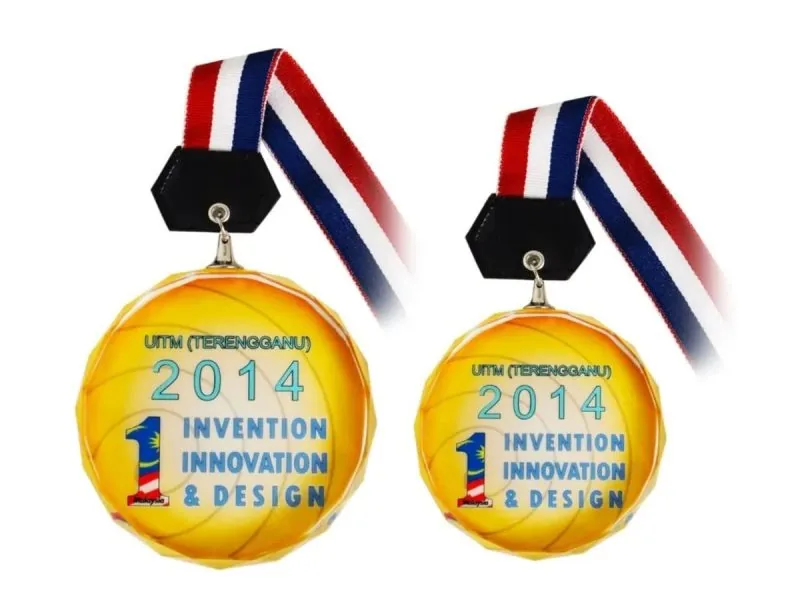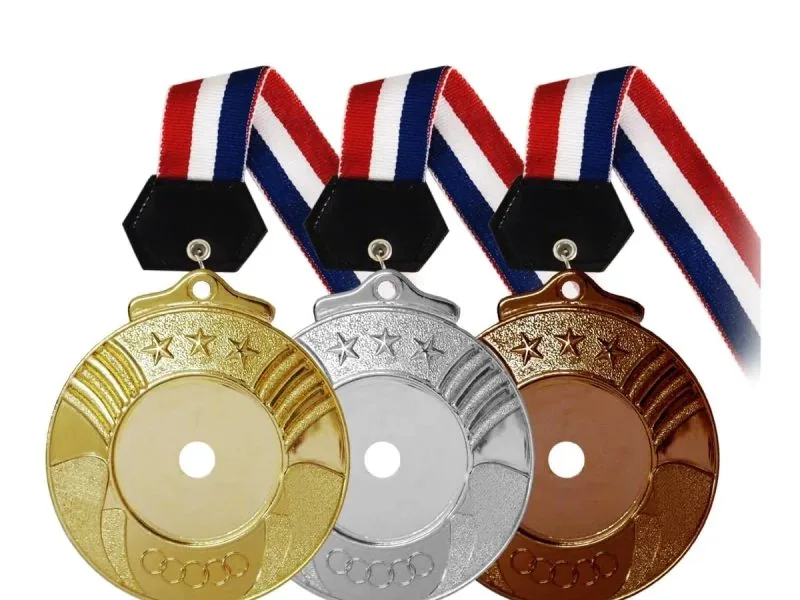
Every university convocation brief is two projects glued together. There’s the big cohort run, several hundred personalised medals, predictable and beautiful logistics. And there’s the small high-stakes batch, the Dean’s List crystal, a couple of dozen pieces where the relationship is actually won or lost. The cohort run is the planned project. The Dean’s List is the test, because its recipient list is the one that arrives last, after an academic standing committee has finished hearing an appeal, with the production cut-off already in sight.
So this is the anatomy of a large engineering-faculty convocation, the kind a faculty the scale of UTM Skudai’s engineering school runs, and how to keep both tracks moving when the high-stakes one lands a day or two before you have to cut. I’m keeping it composite on purpose; faculty offices value a supplier who keeps their business quiet.
Short answer: Run the brief as two parallel tracks. The big medal cohort goes on the die-strike and rim-engraving line in weeks two and three, built off a strictly-formatted CSV with a graduate self-verification round to catch typos. The small Dean’s List crystal batch waits for the academic committee, so you pre-build its engraving templates against the brand-portal vector before the names arrive, then slot names in and sprint when the list drops. Hold your production cut-off rather than push to ceremony day, so the faculty prep team keeps its buffer.
The brief at a glance
A large public-university engineering faculty graduating around 800 per cohort across civil, mechanical, electrical, chemical, computer, and several specialised programmes. The faculty office runs its own convocation medal programme separate from the university-wide convocation, which is common practice for the bigger faculties.
The order shape:
| Tier | Quantity | Spec |
|---|---|---|
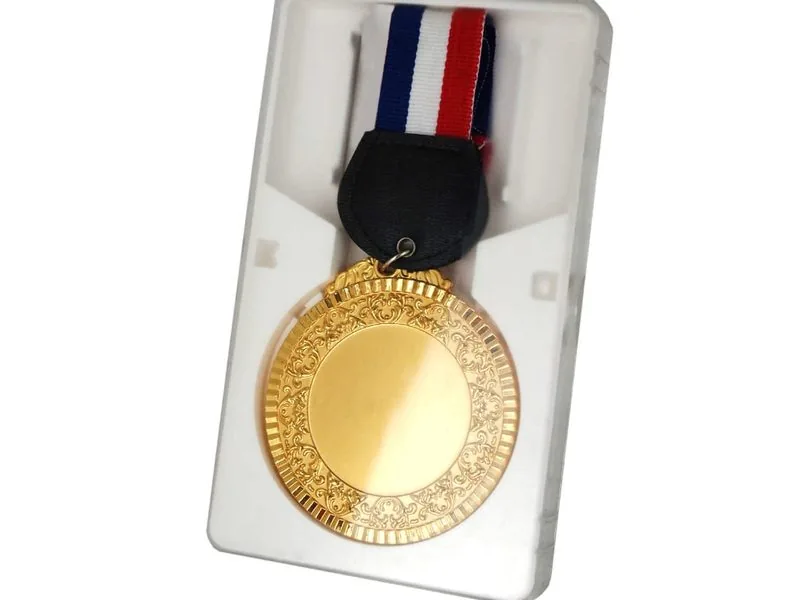
| Convocation medal | ~800 | 65mm die-cast, university obverse, faculty reverse, rim-engraved name + year, brand-colour ribbon |
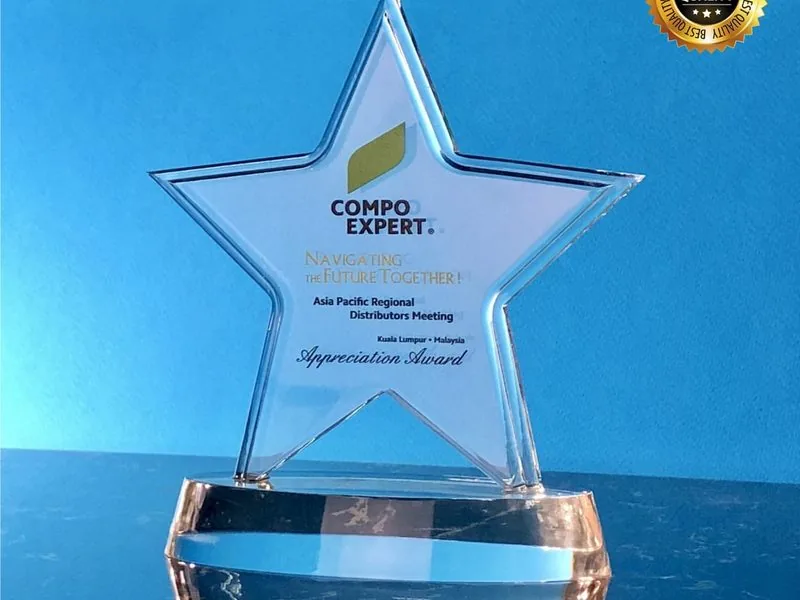
| Dean’s List crystal | ~24 | Optical-grade crystal, sand-etched university logo, recipient + discipline + citation |
Convocation medals are metal, which we quote on spec rather than from a list, and the Dean’s List crystal sits in the premium band. WhatsApp us the cohort size and the top-tier count for a real number. The faculty office covers courier direct to the faculty office (not the convocation venue) so the prep team can verify against the recipient list before the ceremony.
The brand-identity brief is the heaviest part. A university with a documented visual identity system, primary colour, secondary palette, logo clear-space rules, font hierarchy, expects adherence on the engraving:
- Sand-etched logos have to match the official EPS from the university’s brand portal
- The faculty mark has to use the documented secondary identity, not a generic engineering icon
- Font hierarchy follows the brand standard: display for the faculty name, serif for the citation, sans-serif for the recipient name
The three calls that run the brief
One: split the production schedule into two parallel tracks. The 800 medals and the two dozen crystal pieces have completely different production rhythms. Medals run on a die-strike line: the die gets cut, blanks get struck, names get rim-engraved one at a time on a CNC station. The crystal pieces are individually sand-etched and laser-engraved. So the medal die-strike and ribbon assembly run in weeks two and three, and crystal engraving is reserved for week five, once the Dean’s List names are locked.
Two: build the medal personalisation list as a CSV with strict format conventions. 800 personalised pieces means 800 chances for a typo. So the faculty office gets a CSV template with three required columns (full name, name as it should appear on the medal, programme code) plus one optional column (rim-position preference for graduates with very long names). When the populated CSV comes back, a programmatic check on character count, name length, and programme-code validity surfaces the handful of entries that need clarification, and those resolve within a day.
Three: sand-etch the logo from the official brand-portal vector, never a document copy. This is one I push hard with universities. Faculty offices sometimes send screenshotted logos or low-res versions pulled from older document templates. Universities also refresh their brand identity every few years, and old logo versions keep floating around in faculty files. So we ask for the source vector from the brand portal with a written confirmation that it’s the current approved version, and we proof the logo proportions against that portal vector before anything is etched.
There’s one more thing worth building into the faculty’s own process: a name-spelling verification round where the graduates themselves confirm the spelling on their medals before production locks. That shifts typo-correction from us (who can’t know how a graduate’s name should be spelled) to the person who does know. A Google Form usually gets the large majority of graduates responding, and the remainder default to the registrar’s spelling.
The Dean’s List sprint
Here’s the failure mode the pre-staging defends against. The Dean’s List arrives late, mid-afternoon, a week later than hoped, because the academic standing committee was held up by a verification appeal from one of the candidates. The production cut is the next morning. That’s the whole game in one batch.
You run three things at once:
- Pre-build the engraving templates before the names confirm. Every fixed element (logo, faculty name, citation, font hierarchy) is already laid out, font-spaced, and brand-proofed against the portal references.
- Split the pieces across two engravers on an overnight shift at the partner crystal workshop.
- Slot names in as they arrive, run a final visual proof on each piece, and queue them onto the engraving station.
| Decision | Cost | Outcome |
|---|---|---|
| Pre-build templates before names confirmed | Some engraver setup time at risk if the appeal restructures the list | The sprint is executable; everything but names is ready |
| Overnight shift split across two engravers | Workshop overtime, absorbed on our side | All pieces ready by morning |
| Hold the production cut-off rather than push to ceremony day | Higher stress in the final 36 hours | Days of buffer preserved for the faculty prep team |
The structural lesson: when a brief has two parallel tracks and a hard ceremony date, the smaller-but-higher-stakes track is exactly where you pre-stage capacity for late inputs. Overnight crystal capacity is a manageable cost. Missing a convocation date costs the faculty relationship.
What lands at the faculty office
In a clean run, the full order hand-delivers to the faculty office days before convocation. The prep team verifies medals against the recipient list, sorts them into discipline-tagged trays, and stores them in the faculty’s secure prep room until the ceremony. The Dean’s List crystal goes on the presentation table, and the dean presents each personally.
The feedback you’re hoping for isn’t a thank-you message. It’s the faculty office asking, the following week, whether you’re available for next year’s cohort, and booking it then and there. On a convocation brief, an advance booking is the only review that counts.
Three permanent changes the sprint pays for
| Change | What it costs | What it prevents |
|---|---|---|
| Engraving templates pre-built in week three, against the faculty’s standard format | Designer time front-loaded | An overnight sprint starting cold when a list arrives late |
| ”Appeal-pending?” flag asked at brief stage | One question in the kickoff WhatsApp | Treating an inevitable late list as a surprise |
| Brand-portal vector verification as a hard gate, written confirmation required | 5 minutes per brief | Sand-etching an outdated logo onto two dozen crystal pieces |
The broader school awards Malaysia and anugerah perkhidmatan cemerlang guides cover educational and recognition awards in more depth, and the medal supplier Malaysia guide goes deeper into medal procurement specifically. For the pieces, browse metal medals for the cohort run and crystal trophies for the Dean’s List tier.
If you’re a faculty office or convocation committee planning a graduation ceremony, WhatsApp us at +60 12-213 6631 with your cohort size, top-tier recipient count, and ceremony date, plus the brand-portal vector if you have it to hand. You’ll get a same-day parallel-track proposal back, with the late-list sprint already planned into the schedule.
The 800 student medals are the planned project. The two dozen Dean's List pieces are the test.