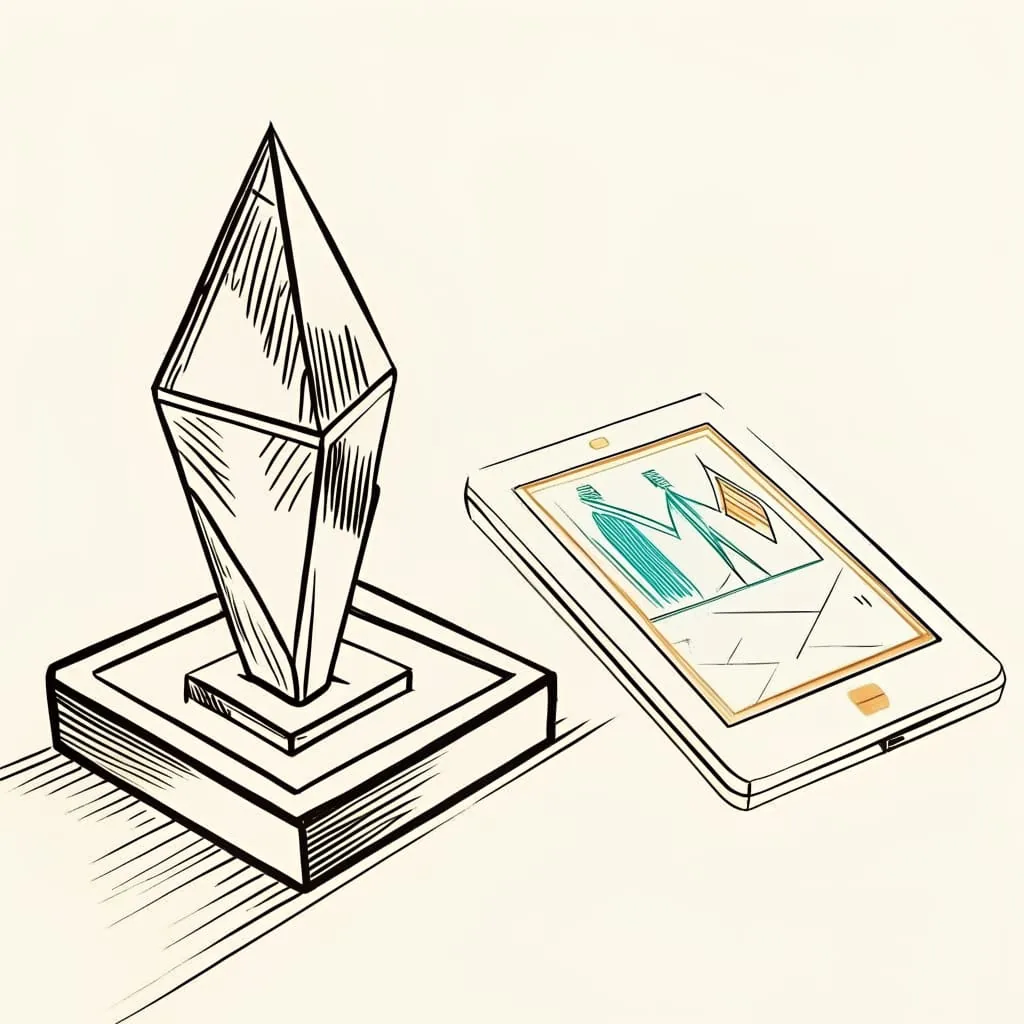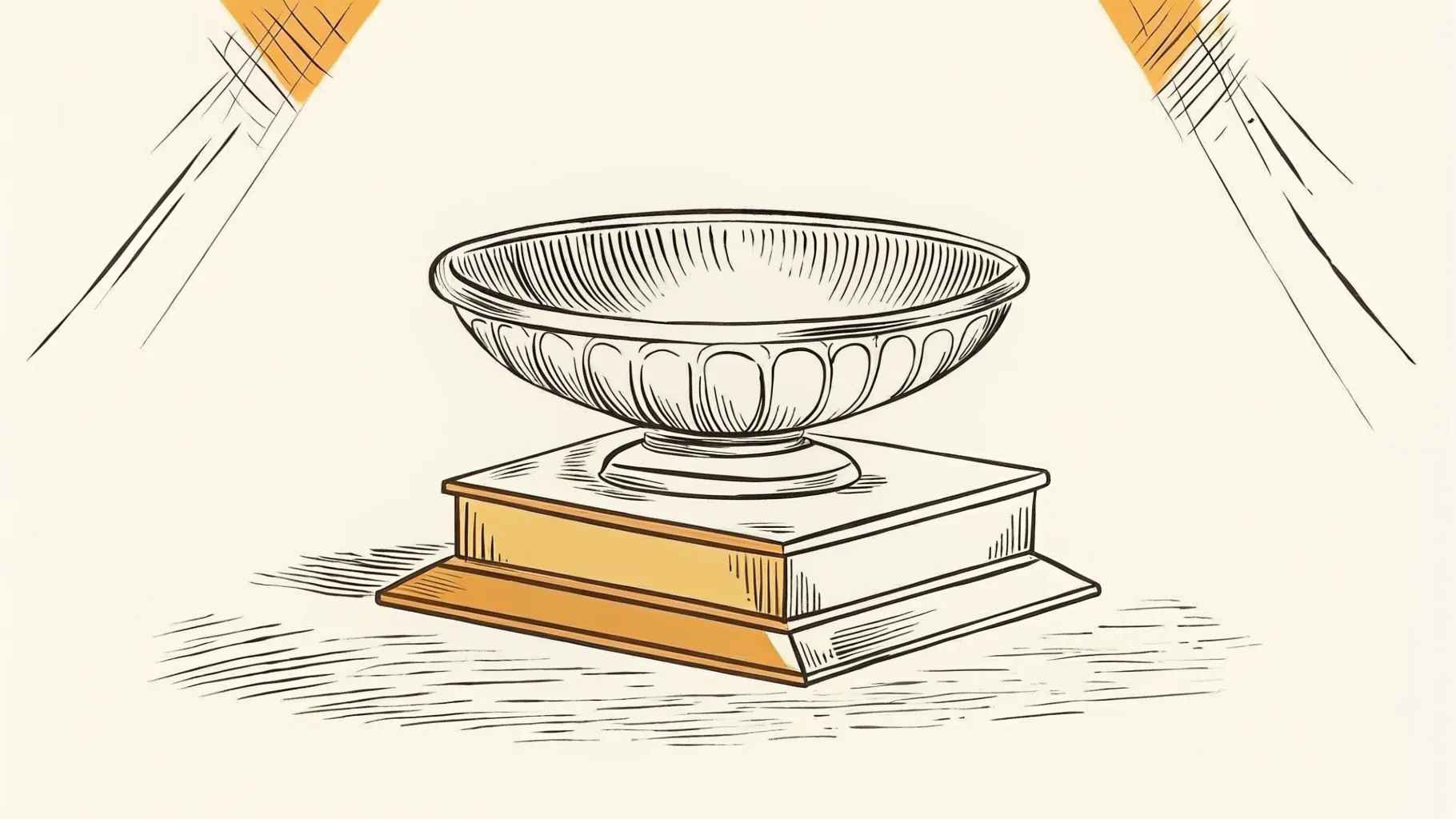
A retired GM walked me around his study last year. The crystal from his 15th anniversary was boxed in storage. A wooden plaque from a project win sat propped behind a stack of books. The pewter rose bowl from his retirement was still on the windowsill, twenty-eight years on.
That bowl was made in KL in the 1990s and looks the same today. Pewter doesn’t fade. It doesn’t yellow. It doesn’t end up in a cupboard.
That’s the case for pewter in one image. The harder question is when it actually earns the premium over crystal or wood, and when it doesn’t. Let me lay it out plainly.
Short answer: Pewter is a lead-free tin alloy that reads as gravitas without flash. Choose it for 20+ year long-service, retirement, perpetual challenge cups, and senior or institutional recognition, especially where a Malaysian-heritage register matters. Skip it for high-volume blanket recognition, modern design-forward briefs, or very young recipients. It’s priced by size and weight, so buy fewer pieces and buy them heavier.
What pewter actually is
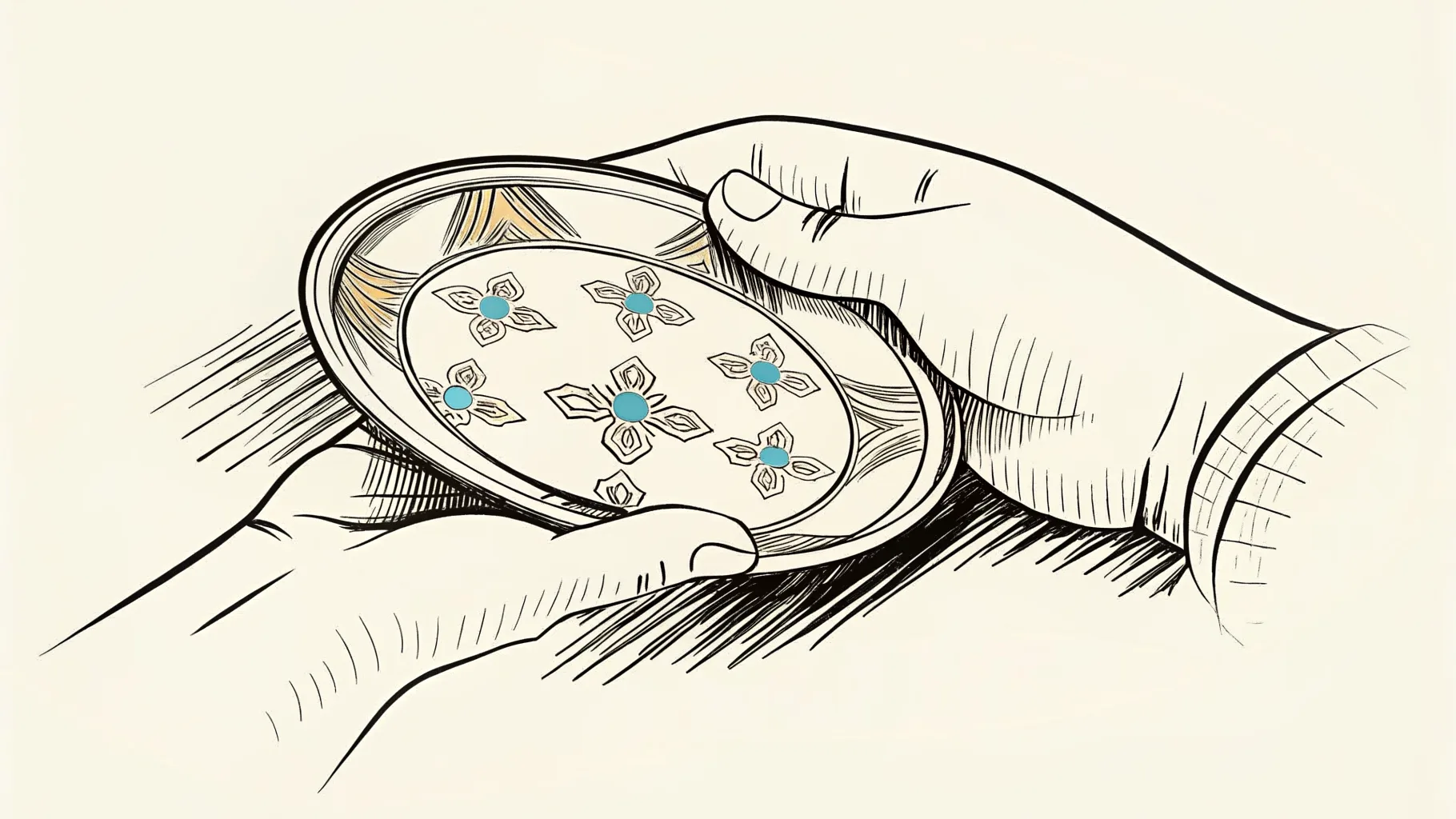
Pewter is a lead-free tin alloy, roughly 92–96% tin with a little copper, antimony, and bismuth. The lead-free part matters: pre-1980s pewter often contained lead, which is why old pieces sometimes carry a black tarnish that modern pewter never develops.
| Property | What it means in your hand |
|---|---|
| Weight | Denser than aluminium, lighter than brass. Substantial without being unwieldy |
| Engraving | Soft enough to take crisp, deep cuts. Better than brass or steel |
| Patina | Develops a faint matte warmth over decades. Character, not damage |
| Tarnish | Doesn’t blacken like silver. A soft cloth keeps it bright |
Malaysia is well served for pewter. Royal Selangor is KL-based, and the partner workshops we use have worked tin since the 1970s. The local craft tradition predates Merdeka, which is part of why a pewter piece reads as genuinely Malaysian.
When pewter is the right call, and when it isn’t
Pewter earns its place when the brief wants gravitas without flash. The recipient is usually mid-to-senior career, with a quiet office or a home library, and values understatement.
| Pick pewter when | Pick something else when |
|---|---|
| 20+ year long-service or retirement | High-volume blanket recognition (50+ pieces) |
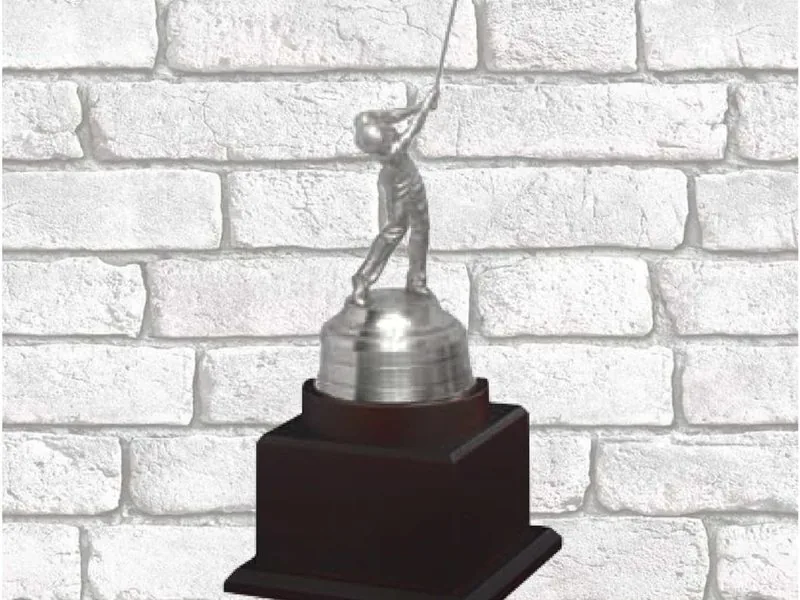
| Golf challenge cup or perpetual trophy | Modern design-forward briefs (UV-print acrylic wins) |
| Government and GLC senior recognition | Recipients are mostly under 30 |
| Lifetime achievement, fellowship admissions | Outdoor handling (heavy and impact-sensitive) |
| VIP gifts to international visitors | Very tight per-piece budgets |
| Mosque, church, or temple board service | Sports events where weight is a logistics headache |
The strongest fits are senior long-service and retirement, perpetual sports cups where new winners’ names go on side plates each year, and gifts to international VIPs, where a batik-motif piece reads as recognisably Malaysian premium in a way generic crystal doesn’t. Tourism Malaysia is a useful reference for why heritage motifs land harder with overseas guests.
If you’re weighing it directly against crystal for a senior tier, my crystal vs pewter comparison goes deeper.
What it costs
Pewter is priced by size, weight, and motif complexity, so I won’t pin invented tiers on it. The shape of it: a small cup or plate is the entry point; a medium plate or cup with a heritage motif sits higher; a large centrepiece or rose bowl higher again; and a fully custom-mould sculpture is bespoke.
Tin is dense, so part of what you pay for is simply the metal. All prices are SST-inclusive, engraving is free, and you pay only for the piece and the courier. Send me the size, quantity, and motif and I’ll quote it properly. Most stock pewter sits in our corporate gifts and pewter trophies range.
Motifs for the Malaysian market
The motif is what gives a pewter piece its character.
Heritage: batik patterns are the most popular, with stylised parang and kawung designs cast or engraved into the surface. Bunga raya (the national flower) is subtle and instantly recognisable. Songket-weave geometry suits institutional gifts, and pucuk rebung makes a refined border.
Corporate: a custom company logo cast or engraved into the surface (best for orders of several pieces with the same logo), a family crest, an industry symbol, or a university crest.
Contemporary: art-deco geometry, minimalist line work, or concentric rings around a central engraving.
Send your brief with a motif preference, or just say “open to suggestions,” and I’ll propose two or three directions before production.
Engraving on pewter
Pewter engraves beautifully, because the metal is soft enough to take deep, crisp lines that catch the light.
Surface engraving gives sharp, fine lines that read slightly darker than the surrounding metal, ideal for names, citations, logos, and dates. For large heritage motifs and decorative borders on big plates, deeper etched engraving catches shadow more dramatically. Both are permanent, with no fading over decades. Bilingual citations in BM and English work cleanly, and proofs are free.
Care and longevity
Pewter is one of the easiest premium materials to live with. A soft dry cloth wipe now and then is all it needs; no polish for years. Keep it dry, avoid prolonged contact with leather, and keep it out of long direct sunlight. The faint matte patina it develops over decades is character, not damage. A well-cared-for piece looks essentially the same in 2056 as it does today.
Why pewter ages better than silver
Silver oxidises in air, which is why a silver tea set blackens in the cupboard. Pewter doesn’t, because tin doesn’t form the same stable oxide film. The faint matte that pewter develops over time is closer to leather softening than to silver tarnishing.
In plain terms: a 1990s pewter rose bowl looks deliberately aged today. A 1990s silver one looks neglected. That’s the single biggest reason senior recipients keep pewter on display and silver in storage.
The decision
Pewter earns wall space quietly, for decades. It’s wrong for high-volume programmes and modern design-forward briefs. It’s right for the senior executive’s 25-year award, the chairman’s retirement gift, and the perpetual cup that has to feel substantial in the hand every year.
Buy fewer pieces, buy them heavier. WhatsApp me at +60 12-213 6631 with the recipient, occasion, target budget, and motif preference, and I’ll come back with two format options and an SST-inclusive quote, usually within the hour. For the wider tier strategy, see the long-service awards guide.
Crystal photographs better. Wood is cheaper. Pewter outlasts both, and it's the one still on the shelf in 2046.