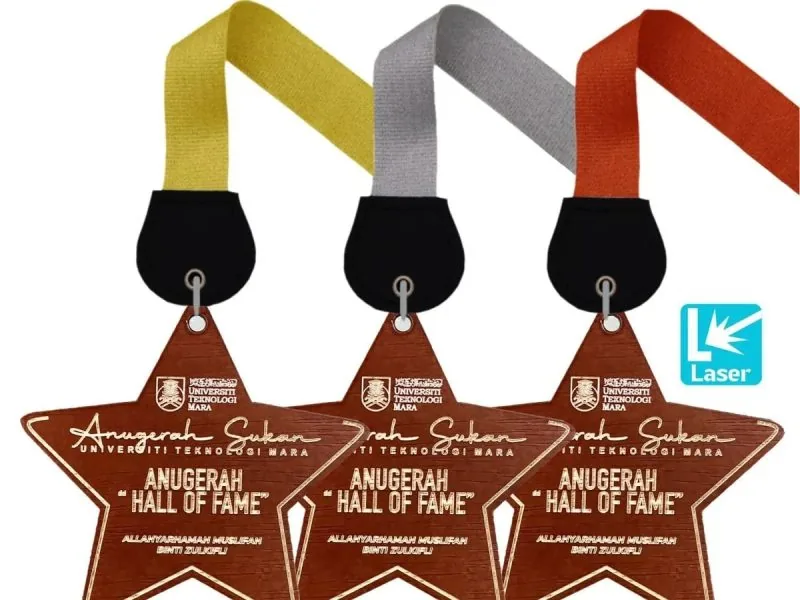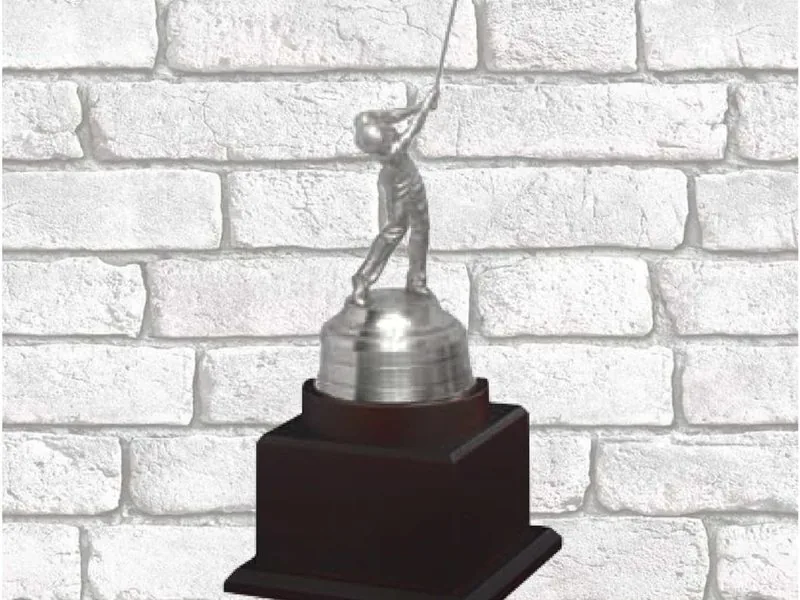
Two quotes for the same 200 sports-day medals can sit thousands of ringgit apart. Die-cast metal on one line, acrylic on the other, and the gap is real money: the podium, the certificates, the photographer.
So which do you pick? It isn’t a quality question, because both are legitimate medals. It comes down to prestige register, weight in the hand, and whether your event date even allows the weeks a custom die-cast mould needs.
Short answer: Choose die-cast metal for established tournaments and keepsake events where weight and prestige matter and the per-piece budget supports it. Choose acrylic for school sports days, PIBG events, and mass-participation events where you need many medals affordably and fast. Custom die-cast needs a few weeks of tooling; acrylic custom shapes have none.
The thirty-second verdict
Reach for die-cast metal for established annual tournaments, MSSM and state-level championships, corporate sports days where the medal is kept, and paid-registration charity runs where the medal is part of the package. Custom moulds make sense from year two onward, when the tooling amortises across multiple years.
Reach for acrylic for school and kindergarten sports days, PIBG events, internal fun runs, and mass-participation kids’ events. Acrylic takes custom shapes from any artwork with no tooling cost, turns around fast, and reads bright and celebratory.
The tiebreaker: does the recipient frame this as “I won this in a real tournament” (die-cast) or “I had a great day at the event” (acrylic)?
| Factor | Die-cast metal | Acrylic |
|---|---|---|
| Feel | Heavy, substantial | Light, bright |
| Per-piece cost | Higher | Budget |
| Custom shape | Via a steel mould | CNC-cut, no tooling |
| Lead time | Weeks (custom mould) | Fast |
| Reads as | Tournament keepsake | Celebration |
How each is made
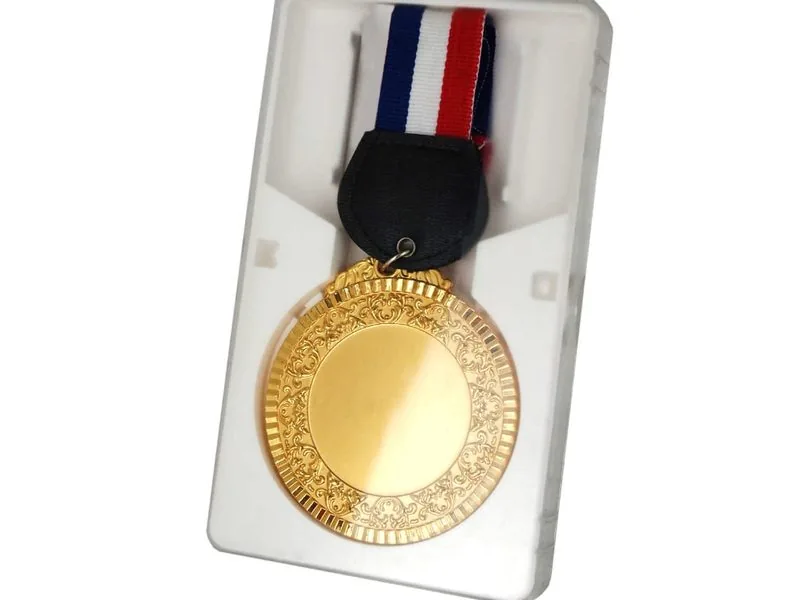
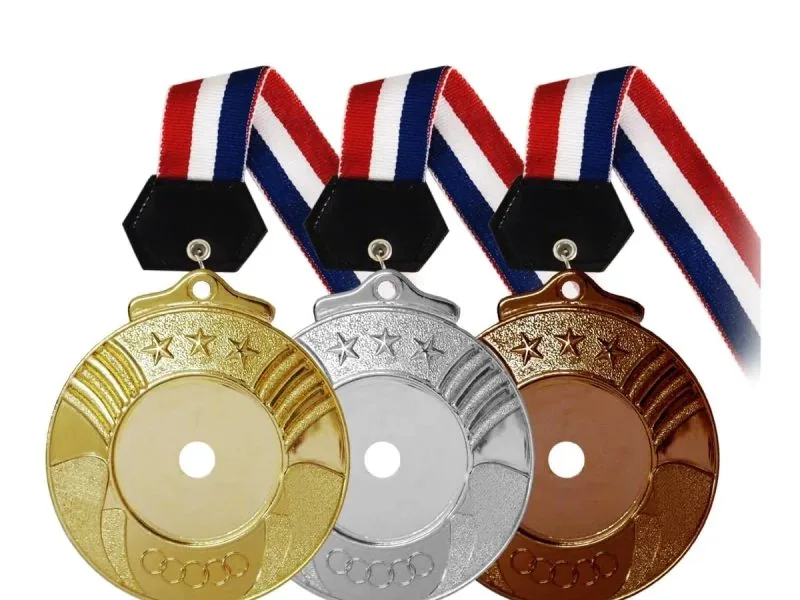
Die-cast medals are cast from zinc alloy in a steel mould machined from your artwork, then plated (gold, silver, bronze, antique tones), optionally colour-filled and epoxy-domed, and finished with a ribbon. The mould is the upfront cost; once cut, it’s reusable for future runs at the same design. So for a one-off the tooling dominates, but for a multi-year programme it amortises and the per-piece cost stays low.
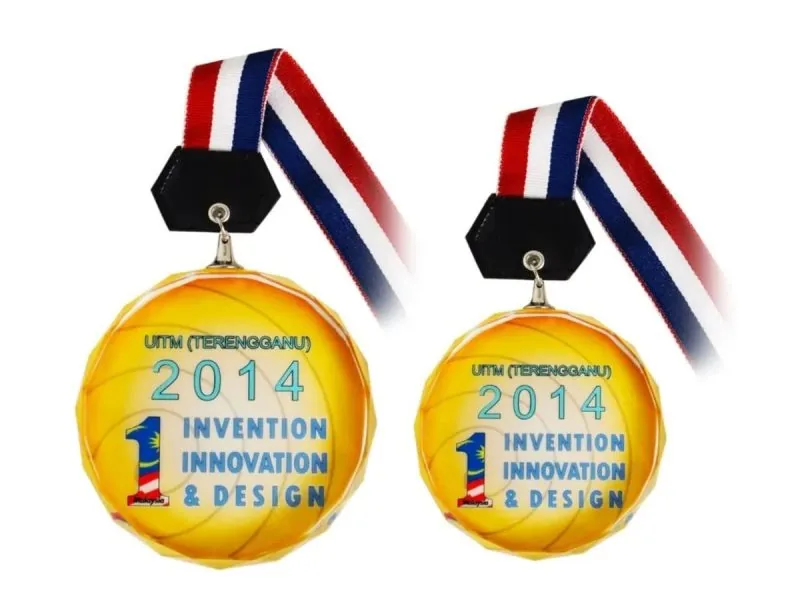
Acrylic medals are CNC-cut from clear or coloured acrylic into any shape, then decorated with full-colour UV print or laser engraving, straight from artwork. No tooling, no mould lead time, and a custom event-shaped medal (cut to your school crest, say) costs the same as a round one.
One honest note: iTrophy doesn’t cast metal or cut acrylic ourselves. Design, mould-brief management, and project management run from Brem Park; production runs through partner workshops. So I can quote either route accurately, manage the tooling brief if you go custom die-cast, and won’t oversell either path.
When die-cast earns its weight
- Established annual tournaments with multi-year brand consistency, where the mould cost amortises.
- The medal is part of the perceived prize, like paid-registration charity runs and recognised competitions where participants compare medal quality across events.
- Tactile weight matters. A die-cast medal feels substantial in the hand; acrylic at the same size is far lighter.
- A consistent multi-tier set, since gold/silver/bronze all come off the same mould with different plating.
- Long-term keepsake context, where recipients hang medals on a wall or pass them down.
The defining question: is this a real tournament whose recipients want a real-tournament artefact? If yes, die-cast. Browse metal medals.
When acrylic is the better call
- School and kids’ events, mass-participation, every-child-gets-one. Acrylic is bright and lands well with younger recipients.
- Tight per-piece budgets, like most PIBG committees. Acrylic delivers visual impact without breaking the programme.
- Internal fun runs and family days, where the medal is participation recognition, not tournament prestige.
- You need many medals fast. Acrylic turns around quickly; a custom die-cast can’t.
- Custom shape over custom relief. If your identity is an outline (a crest, an event logo, a state motif), CNC-cut acrylic delivers it with no tooling.
- Full-colour artwork is essential, which acrylic UV print reproduces cleanly.
The defining question: is this a celebration where everyone gets recognised, rather than a tournament with scarce podium spots? If yes, acrylic. Browse acrylic medals.
What it costs
Acrylic medals are the budget option, sitting in the low tens of ringgit per piece depending on size, shape, and print, all SST-inclusive with ribbon and engraving included. Die-cast costs more per piece, because you’re paying for cast metal and plating, and a brand-new custom design also carries upfront tooling.
I won’t put a fixed tooling figure on this page, because it’s case by case (size, detail, finish), and a made-up number would only mislead you. The economics only favour custom die-cast when you’ll re-run the same design across years. For a real comparison, the medal quantity calculator sizes the order against your headcount, then WhatsApp me and I’ll quote both routes side by side.
Tiers, ribbons, and engraving
Die-cast shows tiers through plating (gold, silver, bronze), which is clean and instantly recognisable. Acrylic shows them through metallic UV ink, ribbon trim, or a tinted body, which is visually clear if less tactile. Recipient names go on the back, by engraving on die-cast or print/etch on acrylic, free on both.
Both take any ribbon colour and width, including state-flag combinations, and a custom-printed ribbon (event name, sponsor, year) is a small add-on with its own short lead time. Bilingual event names work cleanly on both; acrylic gives a little more layout room.
The trade-offs worth knowing
Lead time is the big one. A brand-new custom die-cast mould needs a few weeks before the first medal is even cast, plus the production run. If your event is close, go acrylic or a stock-mould die-cast.
Fine detail doesn’t always cast cleanly. Hair-thin lines and micro-text don’t translate to zinc alloy well, so the mould engineer adapts the artwork. Always review a mould proof before approving tooling; we do this as standard.
Acrylic feels lighter, which is right for school and internal events but not for an established tournament where recipients compare weight across events.
A mixed order often wins. Die-cast for the podium top three, acrylic for participation. The podium feels distinct; the rest feels celebratory.
One move that makes an annual programme look fresh
Print the year on the ribbon, not the medal face. The same die runs every year; only the ribbon changes. By year five, the school has used one mould for five tournaments, each medal looking year-specific because the ribbon is dated. It turns a single mould into a five-year photo wall, at a fraction of re-tooling each year.
Where to start
Open the medal quantity calculator to size the order against your participant count, then send the result and the event date to +60 12-213 6631. I’ll come back within the hour with one acrylic option and one die-cast option, so you choose with real numbers in front of you. For school-event standards, the Ministry of Education and MSSM publish the relevant co-curricular guidelines. For the wider picture, see the medal supplier guide.
Die-cast feels like a tournament. Acrylic feels like a celebration. Both are correct, depending on which one your event actually is.